About Products Pricing Supply Problems How to Order Service Area Compliance Who We Supply FAQ Call (613) 733-7878

Ottawa · Family owned · 100% Canadian

Ottawa Food Packaging, Janitorial Supplies and Kitchenware, Supplied Locally

New World Paper is a family owned, 100% Canadian owned and operated supplier of food packaging, janitorial products and small kitchenware for Ottawa's food service industry. Restaurants, caterers, banquet halls, food trucks, event organizers, distributors, manufacturers and cleaning companies across the National Capital Region rely on us for the everyday consumables that keep a kitchen open: takeout containers, cups and lids, cutlery, napkins, foil, film, garbage bags, paper towel, cleaning chemicals and the smallwares that go with them.

We stock thousands of items from hundreds of manufacturers, so when you need it, we have it. And if you are looking for something we do not carry, tell us. Sourcing hard to find items for Ottawa operators is a normal part of our week, not a special favour.

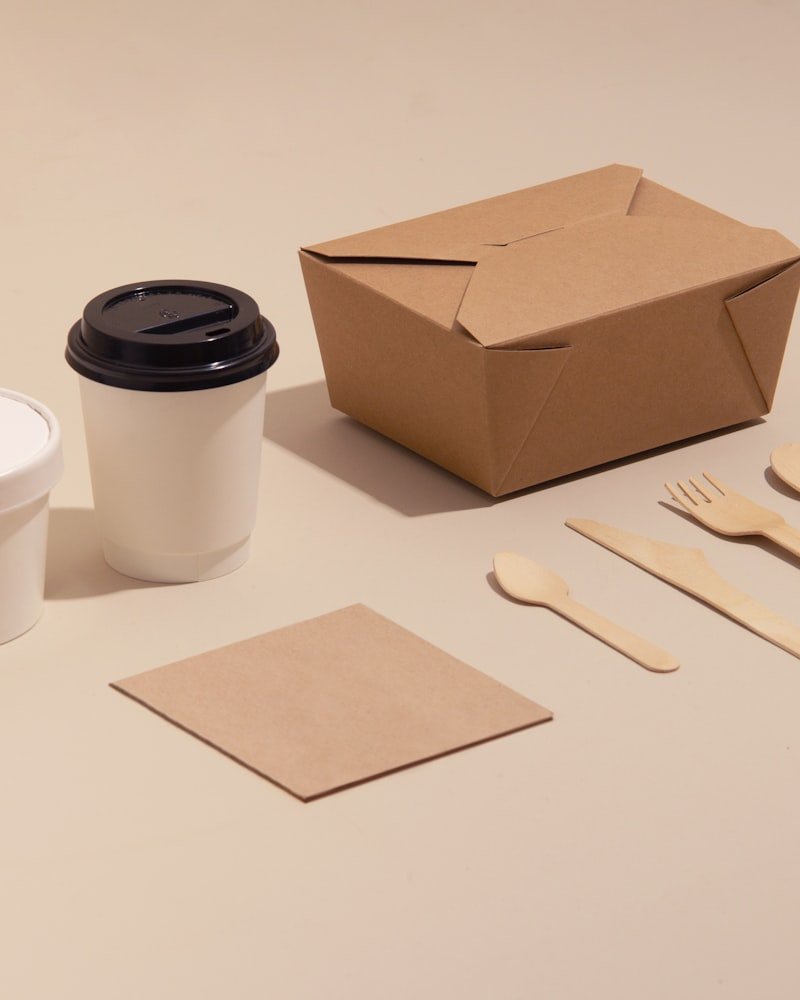
Flat lay of a paper hot cup, kraft takeout container, wooden cutlery and a napkin Packaging, paper, chemicals and smallwares on one order
Local stock, not a national warehouseAn Ottawa business serving Ottawa businesses
One supplier, front of house to backFewer invoices, fewer deliveries, less chasing
We will find it if we do not stock itSpecialty sizes, specific brands, substitutions

01 — About

About New World Paper: An Ottawa Family Business Supplying Ottawa Kitchens

New World Paper is a 100% Canadian owned and operated company, family owned and based in Ottawa, Ontario. We supply paper, packaging, kitchenware and cleaning product inventories to the food service businesses of the National Capital Region.

A restaurant does not close because it ran out of ambience. It closes because it ran out of containers on a Saturday.

The work is unglamorous and completely essential. A restaurant does not close because it ran out of ambience. It closes because it ran out of containers on a Saturday, or because the dish pit ran dry of degreaser, or because a case of the wrong lid does not seat on the cup it was ordered for. Our job is to make sure that does not happen to you, and to be reachable by a human being when it does.

We are not the largest distributor in Ottawa and we do not try to be. What a smaller, locally owned supplier can offer is different: you can talk to someone who knows your account, you can get a straight answer on what is actually in stock today, and you can ask for a product that is not in the catalogue without being told to submit a form. With thousands of items from hundreds of manufacturers available to us, sourcing a specific item is usually a phone call, not a project.

Buying local matters more than it used to. Supply chains for disposables have been volatile since 2020, and again since the tariff disruptions that reshaped North American trade. A Canadian owned supplier with local stock is a shorter, more predictable line between a manufacturer and your back door than an offshore order with a six week lead time and a customs question mark on the end of it.

Our divisions. Ottawa Protective Equipment operates as a division of New World Paper, covering gloves, masks and protective supplies for food service, cleaning and commercial customers.

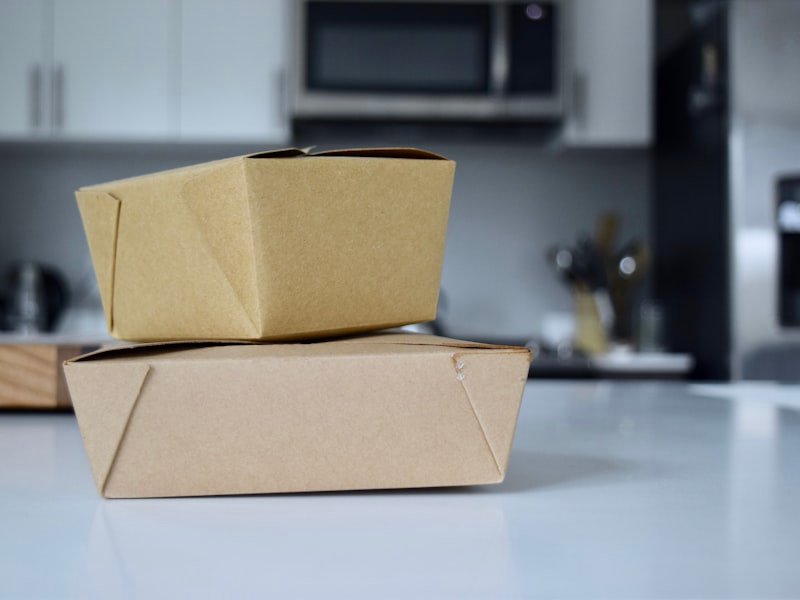
Kraft microwavable takeout containers stacked on a commercial kitchen counter

02 — Why New World Paper

Three reasons Ottawa operators keep the account

Sanitation and food safety are not add ons in this industry, they are the licence to operate.

Local stock, not a national warehouse

We are an Ottawa business serving Ottawa businesses. When a Friday night rush wipes out your container stock, you are dealing with people in your own city, not a call centre in another province.

One supplier, front of house to back of house

Packaging, paper, chemicals, janitorial equipment and kitchen smallwares on a single order. Fewer suppliers means fewer invoices, fewer deliveries and less time spent chasing stock.

We will find it if we do not stock it

Specialty sizes, specific brands, compliance driven substitutions. If there is something in particular you are seeking, send us a message and we will try our best to source it for you.

That is why we carry a wide range of chemicals and janitorial supplies alongside the packaging. Ottawa Public Health inspects food premises across the city, and the gap between a passing inspection and a difficult one is often nothing more than whether the right sanitizer, the right gloves and the right dispensers were in stock that week.

03 — The catalogue

What we supply

Our catalogue covers the full consumables list for a working food service operation. Eleven categories, one account, one delivery.

CATEGORY 01

Takeout Containers and Food Packaging

Takeout is no longer a side channel for most Ottawa restaurants, it is a second dining room. The container you send food out in is the last thing your customer touches before they judge the meal, and the first thing that fails if it is the wrong spec. We stock takeout packaging across the range: kraft microwavable containers, hinged clamshells, plastic and foam containers, deli containers with tamper evident lids, aluminum containers with board or foil lids, soup containers, pizza boxes, bakery boxes and portion cups.

Choosing well comes down to four questions. Does the food travel hot, cold or greasy? Does it need to survive fifteen minutes in a delivery bag or forty? Does it need to be microwavable at the other end? And does the material comply with the federal rules that now apply to single use plastic food service ware? We can walk through those questions with you rather than pointing you at a catalogue page.

  • Kraft microwavable folded paper containers in the standard #1 to #8 sizes
  • Hinged clamshells in plastic and in compostable moulded fibre
  • Round and rectangular microwavable containers with matching lids
  • Deli and tamper evident containers for grab and go retail
  • Aluminum containers, foil sheets and matching lids for catering and hot holding
  • Soup and hot food containers with vented and non vented lids
  • Pizza boxes, pizza slice trays, bakery and cake boxes
  • Portion cups and lids from 1 oz to 4 oz
CATEGORY 02

Cups, Lids and Beverage Supplies

Cups are the highest turnover item in most cafés, and the one where a bad match costs the most. Lids that do not seat properly on a cup body produce spills, complaints and refunds, and the savings on a cheaper case disappear on the first bad shift. We supply hot paper cups, ripple and double wall insulated cups, cold cups, and the lids, sleeves, carriers and filters that go with them, sized so the components actually fit each other.

  • Hot paper cups from 4 oz espresso through 20 oz, in white, kraft and ripple wall
  • Flat lids, dome lids and sip through travel lids matched to cup diameter
  • Cold cups, PET cups and dome lids for iced drinks, smoothies and bubble tea
  • Coffee carriers, cup sleeves and coffee jackets
  • Coffee filters in commercial sizes
  • Straws, stir sticks and bar supplies

Straws and stir sticks are regulated categories under the federal single use plastics rules. See the compliance section below before you reorder.

CATEGORY 03

Paper Products, Napkins and Towels

The paper category is where most operators quietly overspend, usually by buying a grade heavier than the job requires or a dispenser system that locks them into one refill. We carry the full range and will tell you honestly when a lighter grade will do the same job for less.

  • Beverage, luncheon and dinner napkins, plus dispenser napkins and airlaid linen feel napkins for banquets
  • Multifold, singlefold and roll hand towels, with matching dispensers
  • Toilet paper in standard, jumbo and coreless formats, plus toilet seat covers
  • Facial tissue and cap tissues
  • Butcher sheets, wax paper, silicone paper and newsprint sheets
  • Doilies, placemats, cutlery wrap and muffin cups
  • Chef hats and disposable food service apparel
CATEGORY 04

Plates, Cutlery and Serving Disposables

Cutlery is the category most changed by federal regulation in the last three years. Single use plastic cutlery is prohibited from sale in Canada, which means the working choices for an Ottawa operator today are wood, moulded fibre, CPLA and heavier reusable options. We stock compliant cutlery in loose packs and in wrapped kits, along with plates, trays and the serving accessories that go with them.

  • Paper, foam and plastic plates in standard diameters and compartment styles
  • Wooden and fibre cutlery, loose or in wrapped kits with napkin
  • Chopsticks, skewers, toothpicks and stix
  • Pizza slice trays, food trays and food nets
  • Poultry pads, absorbent pads and bar accessories
  • Plastic tablecloths, streamliner and table covering for events and banquet service
CATEGORY 05

Bags, Wrap, Film and Foil

Everything that holds an order together between your pass and your customer's table. We carry takeout bags, handled and flat paper bags, utility and produce bags, garbage bags and can liners across gauges, plus the film, foil and wrap that a prep kitchen goes through daily.

  • Kraft takeout bags, handled bags and flat paper bags
  • Produce, utility and portion bags
  • Garbage bags and can liners in low density and high density, in standard commercial sizes
  • Film wrap and cutter boxes for prep and storage
  • Aluminum foil rolls and pre cut foil sheets
  • Pallet wrap, packing tape, rubber bands and twisties
CATEGORY 06

Rolls: Register, Paper, Foil and Film

Small item, disproportionate consequence. A POS terminal without register rolls stops a service. We stock thermal and bond cash register rolls in the standard widths used by Ottawa restaurant and retail POS systems, alongside paper rolls, aluminum rolls and film rolls for the kitchen.

  • Thermal and bond cash register rolls in standard POS widths
  • Kitchen printer and order rolls
  • Paper, aluminum and film rolls for prep and storage
CATEGORY 07

Janitorial Supplies and Equipment

We supply commercial cleaning companies as well as restaurants, which means our janitorial range is built for daily professional use rather than occasional cleaning. Brooms, mops, buckets and dispensers are the sort of purchase where the cheapest option is rarely the lowest cost per month, and we will point you at the grade that actually lasts.

  • Brooms, brushes, squeegees and dust mops
  • Wet mops, mop handles, buckets and wringers
  • Paper towel and hand towel dispensers, plus toilet paper dispensers
  • Garbage containers, receptacles and liners
  • Washroom supplies and toilet seat covers
  • Microfibre cloths, wipes and general cleaning consumables
CATEGORY 08

Cleaning Chemicals and Sanitation

Sanitation and food safety are important to us, which is why we carry a wide range of chemicals and janitorial supplies rather than treating cleaning as an afterthought to packaging. Ottawa Public Health inspects food premises on a risk based schedule, and inspection results are published. Having the correct sanitizer at the correct concentration, with the right test strips and the right dispensing, is the cheapest insurance a kitchen can buy.

  • Dish detergents, rinse aids and machine chemicals
  • Degreasers and heavy duty kitchen cleaners
  • Sanitizers and disinfectants for food contact surfaces
  • Floor care, washroom care and glass cleaners
  • Hand soaps, hand sanitizer and dispensers
CATEGORY 09

Compostable and Eco Friendly Packaging

Eco friendly packaging stopped being a marketing choice and became a compliance requirement. Canada's Single use Plastics Prohibition Regulations ban the manufacture, import and sale of six categories of single use plastics, including checkout bags, cutlery, straws, stir sticks, ring carriers and food service ware made from problematic plastics. Those regulations were challenged in court, upheld on appeal on 30 January 2026, and remain fully in force.

What that means in practice is that a restaurant switching to compliant alternatives is not making an optional green gesture, it is meeting a legal requirement. We carry fibre based and compostable alternatives across the affected categories, and we can help you work out which substitutions actually perform for your menu. Bagasse and moulded fibre handle grease and heat well. Wooden and CPLA cutlery behaves differently in a wrapped kit than plastic did. PLA lined cups do not tolerate the same temperatures as poly lined cups. Getting these details wrong produces leaks, complaints and waste, which is the opposite of sustainable.

  • Bagasse and moulded fibre clamshells, plates and bowls
  • Kraft paper containers and bowls with compliant linings
  • Wooden, CPLA and fibre cutlery
  • Paper straws and compliant alternatives
  • Compostable bags and liners
  • Recyclable and recycled content paper products
CATEGORY 10

Kitchenware and Smallwares

Small kitchenware is a core part of what we do, sitting alongside packaging and janitorial on the same order. These are the items that wear out, walk off or break in a busy kitchen and need replacing without a purchase order process.

Tell us the make and size you are replacing and we will match it from the range available to us.

CATEGORY 11

Gloves and Protective Equipment

Gloves are a daily consumable in any kitchen with a food safety plan. Through our Ottawa Protective Equipment division we supply disposable gloves in the grades a food service operation actually uses, alongside protective supplies for cleaning and commercial customers.

  • Nitrile gloves, powder free, in food service and heavier duty grades
  • Vinyl and poly gloves for light duty food handling
  • Reusable and heavy duty gloves for dish and cleaning work
  • Protective supplies for commercial and cleaning operations
04 — Pricing

What food packaging costs in Ottawa

Sanity check what you are paying now, before you ask anyone for a quote.

How this industry prices

Quoted by the case, priced per account

Pricing in this industry is quoted by the case and priced per account, because the same item can carry three different prices depending on volume, frequency and whether you are picking up or having it delivered. New World Paper does not publish a public price list, so the figures below are not our quotes. They are typical market ranges for the Ottawa area, compiled from published pricing at comparable Ontario wholesale and food service suppliers in 2026, and they are here so you can sanity check what you are currently paying before you ask us for a quote.

Paper hot cups, 8 to 12 oz, 1,000 per case$35 to $75Roughly 3.5 to 7.5 cents each
Hot cup lids, 1,000 per case$28 to $45Roughly 3 to 4.5 cents each
Kraft microwavable takeout containers, 200 to 300 per case$45 to $80Roughly 15 to 40 cents each
Compostable bagasse clamshells, 250 per case$50 to $75Roughly 20 to 30 cents each
Portion cup lids, 2,500 per case$20 to $40Under 2 cents each
Wrapped straws, around 7,000 per case$60 to $80About 1 cent each
Indicative pricing note

Ranges compiled from published 2026 wholesale pricing at Ontario based food service suppliers and Canadian foodservice packaging brands. They are indicative market ranges based on published market data, not quotes, and not New World Paper pricing. Prices move with volume, material and current supply conditions, so ask for a quote against your actual usage rather than a list price.

Case price is the wrong number to compare

Cost per unit is the right one. A case that looks $8 cheaper but holds 100 fewer pieces is more expensive. Divide the case price by the piece count every time, especially when comparing quotes from different suppliers who use different case sizes for the same item.

Volume changes the price

Ordering four cases a month at a steady cadence is worth more to a supplier than a single large order twice a year, and account pricing usually reflects that.

Spec substitutions are where the real savings live

A lighter napkin grade, a different lid style, an unprinted cup instead of a printed one. These changes are invisible to most customers and can move a food packaging budget by double digit percentages.

05 — What goes wrong

The six supply problems that actually cost you money

None of these are dramatic. All of them are expensive, and all of them are avoidable with the right supplier conversation.

The lid does not seat on the cup

Components bought from different suppliers, or swapped mid year without a spec check, stop matching. The result is spills, remakes and refunds that dwarf the price difference on the case.

You run out mid service

Stock outs almost never happen on a quiet Tuesday. They happen on the busiest night of the month, and the emergency retail run costs several times the case price you were protecting.

Your stock is no longer compliant

Single use plastic cutlery, straws, stir sticks and checkout bags are prohibited categories. Old inventory in a back room, or a cheap case from an unfamiliar source, is your exposure, not your supplier's.

Your recycling arrangement changed underneath you

Ontario's Blue Box program moved to full producer responsibility on 1 January 2026, and commercial properties are treated as non eligible sources. Packaging that is technically recyclable but not accepted by your hauler is landfill with extra steps.

You are comparing case prices, not unit costs

Different suppliers use different case counts for the same item, which makes headline case prices close to meaningless. The comparison only works once both are divided down to cost per piece.

The packaging fails in transit

Crispy items steam and go soft without venting. Saucy dishes leak into the bag. One failed delivery order costs more in refunds and public reviews than a year of the price difference between a good container and a cheap one.

06 — Before you commit

How to judge a packaging supplier

Educational, not comparative. Use the left column as a benchmark and the right column as your own due diligence list, with us or with anyone else.

The standard we work to

  • Components are checked against each other, so lids match the cups they are sold beside.
  • You get a straight answer on what is actually in stock today.
  • Quotes are priced against your real usage, not a generic list.
  • Items outside the catalogue can be sourced on request, not refused.
  • Regulated categories are flagged before you reorder them, not after.
  • You can reach a person who knows your account.

Questions to ask any supplier, before you sign

  • What is the piece count per case, and what is the cost per unit once divided down?
  • Can you confirm in writing that this item is not in a prohibited single use plastic category?
  • Is this item food contact compliant, and can documentation be provided?
  • If you say compostable, do you mean certified industrial compostable, or something looser?
  • What happens when an item is out of stock, and what will you substitute?
  • Who do I speak to when something goes wrong on a Saturday?

07 — How to order

From your list to your back door

No portal to learn, no minimum onboarding project. Send what you use and we work from there.

01

Send us your list

Your current order sheet, an invoice from another supplier, photos of the cases in your storeroom, or just your menu. Any of those is enough for us to start.

02

We price it against your usage

We quote by the case, against the volumes and cadence you actually order at, and we show the cost per unit alongside the case price so the comparison is real.

03

Spec check and substitutions

We flag anything in a regulated category, check that lids match cups and containers match your portions, and suggest grade changes where a lighter spec does the same job.

04

Start small, then commit

Order a small quantity of anything new first, run a week of service, and commit to case volumes once you know your real burn rate rather than your estimate.

05

Confirm the order

We confirm what is in stock, what is coming, and how and when you will receive it, so nothing about your first order is a surprise.

06

Settle into a cadence

Most operations land on a steady reorder rhythm within a month or two. Steady cadence is worth more than volume alone, and account pricing reflects it.

08 — Service area

Serving food service businesses across Ottawa and the National Capital Region

We are an east end Ottawa business and we supply operators across the city and the surrounding region. Ottawa's food service map is not evenly spread, and each part of it has a different rhythm.

Across the city of Ottawa

Central Ottawa

The ByWard Market, Centretown, the Glebe, Little Italy, Chinatown on Somerset, Hintonburg and Wellington West carry the densest concentration of independent restaurants in the city. Small kitchens, limited storage, and a heavy patio and festival season that swings volume hard between May and September.

East end Ottawa

Vanier, Overbrook, Beacon Hill, Cyrville, Gloucester, Blackburn Hamlet and Orléans. This is our own neighbourhood, and it holds a large share of the city's food manufacturing, commissary kitchens and family run restaurants, plus the industrial parks along Cyrville, Triole and Innes where much of the region's distribution sits.

South and west Ottawa

Nepean, Barrhaven, Riverside South, Manotick, Kanata, Stittsville and Bells Corners. Faster growing suburban commercial strips, more franchise and family restaurant volume, larger premises with room to hold stock, which changes the ordering pattern toward fewer and larger orders.

Rural Ottawa

Osgoode, Greely, Metcalfe, Richmond, Carp, Cumberland and Navan. Operators here often have the least local supply choice, which is exactly where a supplier willing to source specific items earns its keep.

Beyond the city boundary

The surrounding region

Rockland, Embrun, Casselman, Russell, Kemptville, Arnprior, Carleton Place and Almonte. Coverage varies by location, so confirm your address with our team when you place a first order.

Across the river

Gatineau, Hull, Aylmer and the Outaouais form a single food service labour and customer market with Ottawa. Quebec side operators face additional French language packaging and signage obligations under the Charter of the French Language, which is worth factoring into any decision about printed packaging.

09 — Compliance

Single use plastics, recycling rules and packaging compliance for Ottawa restaurants

These questions come up in real conversations with customers every week, and accurate, current answers are hard to find in one place.

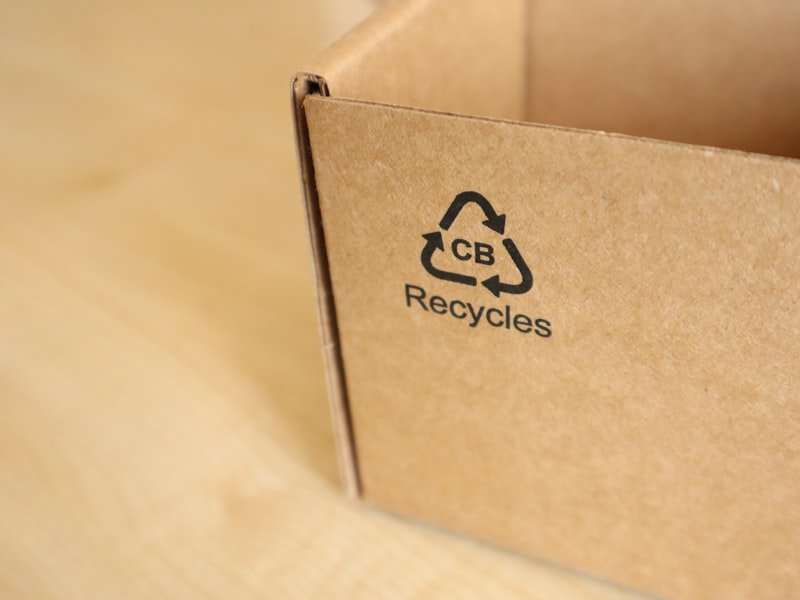
Kraft fibre container printed with a recycling mark
In force

The federal single use plastics ban is in force

Canada's Single use Plastics Prohibition Regulations prohibit the manufacture, import and sale of six categories of single use plastics: checkout bags, cutlery, straws, stir sticks, ring carriers, and food service ware made from or containing problematic plastics.

The regulations were thrown into doubt in November 2023, when the Federal Court ruled that listing plastic manufactured items as a toxic substance under the Canadian Environmental Protection Act was unreasonable. On 30 January 2026 the Federal Court of Appeal overturned that decision and upheld the listing, in Canada (Attorney General) v. Responsible Plastic Use Coalition, 2026 FCA 17. The practical effect is that the regulations remain fully in force across Canada, and businesses that supply, sell or use the six listed categories should continue to comply.

What this means for an Ottawa operator: if you are still working through old stock of plastic cutlery or stir sticks, or if a supplier has offered you a suspiciously cheap case of something in a banned category, the exposure is yours. Ask any supplier for documentation on the material composition of food service ware you are buying.

Changed 1 Jan 2026

Ontario's Blue Box program changed, and it affects businesses

Ontario completed its multi year transition to a fully producer run Blue Box program on 1 January 2026. Municipalities are no longer responsible for operating or funding residential recycling collection, and the legacy program run by Stewardship Ontario wound up on 31 December 2025.

The part that catches restaurants out is this: the producer run program covers eligible sources, which are essentially residential. Industrial, commercial and institutional properties are treated as non eligible sources. In municipalities that had previously chosen to extend municipal Blue Box collection to businesses, that collection has been ending as the transition completed, and those businesses have had to arrange private recycling services instead.

What this means for an Ottawa operator: check what recycling collection your premises actually has right now rather than assuming last year's arrangement still stands. Then check whether the packaging you buy is genuinely recyclable through whatever stream you have, because packaging that is technically recyclable but not accepted by your hauler is landfill with extra steps and extra cost.

Documentation

Food contact compliance

Packaging that touches food is regulated under the Food and Drugs Act and its regulations, which is why documentation matters when you change suppliers or substitute a material. Ask for confirmation that food contact items meet Canadian requirements, and keep that documentation with your food safety records. If PFAS free status matters to your brand or your customers, ask specifically, because it is not automatic in fibre based packaging.

Regulatory positions change. The summaries above reflect the position as published at the time of writing, and any operator making a purchasing decision should confirm the current requirements that apply to their own premises.

Not sure if what you buy is compliant? Send us your product list

10 — Who we supply

Who we supply across Ottawa's food service industry

Restaurants. Caterers. Banquet halls. Food trucks. Event organizers. Bakeries, cafés and delis. Distributors and manufacturers who need a local partner for fill in orders. Commercial cleaning companies. Offices, schools and community organizations running their own kitchens. If your business goes through consumables, you are the kind of customer we are built for.

Two people opening kraft takeout containers of food on a wooden table
Restaurants and takeout

Consistency and availability

You need the same container, week after week, in a size your kitchen has already built its portioning around. A substitution that arrives 10% smaller changes your plate cost and your customer's perception at the same time.

Caterers and banquet halls

Volume in bursts

Presentation that has to hold up at a distance from the kitchen. Aluminum containers, hot holding, chafing supplies, table covering, napkins that look like linen and cutlery that does not bend in a chicken breast.

Food trucks and event vendors

Storage space is the constraint

Everything has to nest, stack or collapse, and a single trip has to carry a full service worth of packaging. Ottawa's festival season compresses a large share of annual volume into a short window, so ordering ahead of the summer rush matters more here than in any other segment.

Cafés, bakeries and delis

Cup and lid compatibility

Bakery boxes, grab and go packaging with tamper evidence, and labels that survive refrigeration.

Commercial cleaning companies

A repeatable schedule

Chemicals, janitorial equipment and paper on a repeatable schedule, at case pricing, with consistent formulations so crews are not retrained every quarter.

Distributors and manufacturers

Local fill in supply

Local fill in supply when a national order is delayed, and access to items outside a standard catalogue.

Offices, schools and community groups

Commercial grade, without a purchasing department

Kitchens, cafeterias and event catering that need commercial grade supply without a commercial scale purchasing department.

11 — FAQ

Frequently asked questions

Direct answers, no preamble, for the questions Ottawa operators actually ask before they switch suppliers.

Where can I buy restaurant supplies in Ottawa?

New World Paper supplies food packaging, janitorial products and small kitchenware to restaurants, caterers, banquet halls, food trucks, event organizers, distributors and manufacturers across Ottawa. We are a family owned, 100% Canadian owned and operated business based in Ottawa's east end, carrying bags, boxes, containers, cups, paper, plates, rolls, cutlery, chemicals, eco friendly products, janitorial supplies and kitchenware.

Do I need to be a business to buy from a wholesale packaging supplier in Ottawa?

Our customers are overwhelmingly food service and cleaning businesses, and pricing is structured around case quantities rather than single units. Requirements for smaller or occasional orders can be confirmed with our team before you order.

Is plastic cutlery still legal in Canada in 2026?

No. Single use plastic cutlery is one of six categories prohibited under Canada's Single use Plastics Prohibition Regulations, alongside checkout bags, straws, stir sticks, ring carriers and food service ware made from problematic plastics. The regulations survived a court challenge when the Federal Court of Appeal upheld the underlying order on 30 January 2026, and they remain in force. Compliant alternatives include wooden, CPLA and moulded fibre cutlery.

What is the best takeout container for delivery orders?

It depends on the food. Hot, saucy or greasy dishes hold up best in kraft microwavable containers or moulded fibre clamshells with a grease resistant surface. Crispy items need venting or they steam and go soft in transit. Cold items and salads work in clear hinged containers where presentation matters. The most common mistake is choosing on unit price alone and ignoring leak performance, because one leaked order costs more in refunds and reviews than a year of the price difference.

How much do takeout containers cost in Ottawa?

Kraft microwavable takeout containers typically run roughly $45 to $80 per case in the Ottawa area, with cases usually holding 200 to 300 pieces, which works out to somewhere between 15 and 40 cents each depending on size and material. Compostable bagasse clamshells generally land between 20 and 30 cents each. Prices vary with volume, material and current supply conditions, so ask for a quote against your actual usage rather than a list price.

What is the difference between compostable, biodegradable and recyclable packaging?

Compostable packaging breaks down into non toxic material under defined composting conditions, usually industrial rather than backyard. Biodegradable is a much weaker term with no fixed timeframe or condition, and it is the one most often used loosely in marketing. Recyclable means the material can technically be reprocessed, which only matters if your specific waste hauler actually accepts it. Always ask which of the three a supplier means, and ask what certification backs it up.

Did Ontario's recycling rules change for businesses in 2026?

Yes. Ontario completed its transition to a fully producer run Blue Box program on 1 January 2026, and the legacy program operated by Stewardship Ontario wound up on 31 December 2025. The producer run program serves eligible sources, which are essentially residential. Industrial, commercial and institutional properties are treated as non eligible sources, so businesses that previously received municipal Blue Box collection have generally needed to arrange private recycling. Check what collection your premises actually has now.

Can you source a product you do not normally stock?

Yes. If there is something in particular you are seeking, send us a message and we will try our best to source it for you. With thousands of items from hundreds of manufacturers available, a specific size, brand or specification is usually a matter of asking.

What should a new restaurant order before opening in Ottawa?

Work backwards from your menu. For a typical independent restaurant that means: takeout containers in two or three sizes matched to your portions, lids that fit them, cutlery kits, napkins, takeout bags, foil and film for prep, gloves, dish chemicals, a sanitizer with test strips, paper towel and toilet paper with matching dispensers, garbage bags, and register rolls for your POS. Order a small quantity of each first, run a week of service, then commit to case volumes once you know your real burn rate.

How do I reduce my packaging costs without downgrading quality?

Four levers. Compare cost per unit rather than case price. Consolidate suppliers so volume sits in one account instead of three. Review whether every item needs its current grade, since napkin weight and cup wall thickness are the two most commonly over specified items in food service. And review portion sizing, because a container one size too large costs more in both packaging and food.

Do you supply food trucks and event vendors?

Yes. Food trucks, event organizers and caterers are a core part of our customer base. Ottawa's festival and event season concentrates a large share of annual volume into a few months, so we recommend confirming quantities well before peak weekends rather than during them.

What cleaning chemicals does a restaurant kitchen need?

At minimum: a dish detergent and rinse aid matched to your machine, a heavy duty degreaser for hoods and cooking surfaces, a food contact surface sanitizer with the correct test strips, a floor cleaner, washroom cleaner, glass cleaner and hand soap. The sanitizer is the one that matters most for inspection, because concentration and contact time have to be right, not just present.

Do you sell janitorial supplies to cleaning companies as well as restaurants?

Yes. Commercial cleaning companies are among our regular customers, and we carry janitorial equipment and chemicals at professional grade rather than consumer grade: brooms, mops and handles, buckets, squeegees, dust mops, dispensers, garbage containers and the full chemical range.

Why buy from a local Ottawa supplier instead of ordering online?

Lead time, accountability and problem solving. When an online order arrives short, damaged or in the wrong size, the resolution is a support ticket. When a local supplier gets it wrong, you can reach the person who can fix it today. Local stock also matters during supply disruptions, which have been a recurring feature of the disposables market since 2020.

What is Ottawa Protective Equipment?

Ottawa Protective Equipment is a division of New World Paper, covering gloves, masks and protective supplies for food service, cleaning and commercial customers in Ottawa.

12 — Get a quote

Send us your list and we will price it out

Your current order sheet, an invoice from another supplier, or just your menu. We will come back with case pricing and the cost per unit beside it.

Talk to a person who knows the stock

Fastest route for an urgent shortage, a substitution question, or an item you cannot find anywhere else.

(613) 733-7878
Based inOttawa's east end, serving the National Capital Region
OwnershipFamily owned, 100% Canadian owned and operated
We supplyPackaging, paper, chemicals, janitorial and kitchenware
Special ordersItems outside the catalogue sourced on request